
I don’t usually say much about the state of things. For years I’ve watched the internet change and kept my opinions to myself, partly because complaining about the algorithm has become its own genre of content, and partly because I didn’t think saying it would change anything. I’m going to say all of it once, here, on a page where no algorithm decides who gets to read it.

I. What It Was
Social media used to be a place of connection. People shared their work, their art and their content, authentically and professionally, and the people who resonated with it followed them. Communities grew around a craft, or around a body of work someone had spent years building, and an audience was something you earned slowly and kept by continuing to deserve it.
I know what that looked like, because I had it. I grew this page to almost 20k followers, and then Reels arrived, and I could see where things were heading. The main reason I stepped away from the platform for around two years was to build my business and spend my time on the things in life that matter more, but I’ll admit the shift I could see coming played a part in that decision.
My favorite posts were always the monthly Protein Bar posts. Once a month, my followers came into the comments and wrote about how their month had gone: their thoughts, dreams, aspirations, wins and failures, and their plans for the month ahead. Some of the best interactions this page has ever had happened in those threads. I got to genuinely connect with people who had stumbled onto my page while killing time on an app, and sometimes spark a bit of real progress in their lives. It was real.
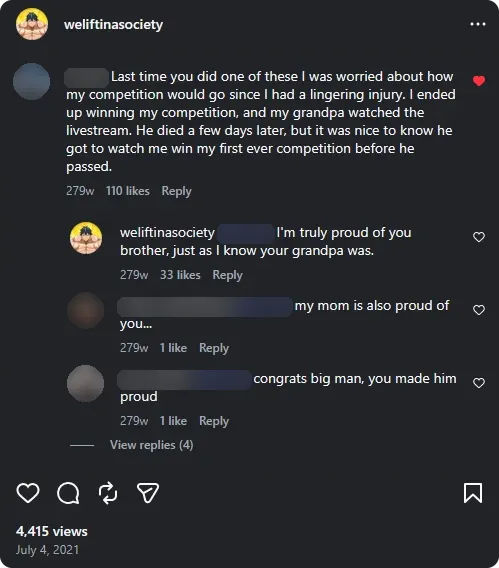
The one I remember most came from a lad whose grandfather was on his deathbed. He had his first ever powerlifting competition coming up and a lingering injury he was worried about, and he wrote that he wanted to prep properly and do his best so his grandpa could see him win while he was still alive. In the next month’s Protein Bar, he was back. He had won his competition. His grandpa watched it on the livestream and passed away a few days later, but he got to see his grandson be triumphant first. It moved me.
Here’s the post where he came back to tell us, from July 2021. It got 4,415 views and 109 comments.
This month’s Protein Bar went up on November 3. It got 1,875 views and one comment, from someone who tapped the bell icon on my profile.
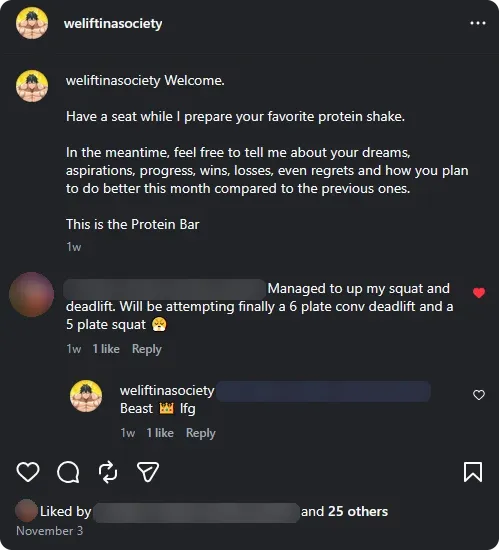
I’ll take some of the blame for the drop in views, since I was gone for two years. But almost two thousand people still saw it, and only one of them said anything.
In 2021, it still felt meaningful to tell a comment section full of strangers how your month went. Nobody was building a personal brand in my replies, so people wrote what they meant, and the people answering meant it too. In the years since, every kind of human interaction and every self-improvement idea has been turned into a product and milked for content. I think that changed something in people’s heads and left a kind of collective depression behind, the kind that makes sharing your goals with strangers feel pointless. Anything sincere gets read as content anyway, so most people don’t bother.
That place is gone, and most people can feel it, even if they couldn’t tell you when it happened.
II. The Machine
For most of its life, social media showed you what the people you chose to follow had posted. Then TikTok demonstrated that an algorithm choosing from everything on Earth holds attention longer than a person’s own friends can, and every other platform rebuilt itself in that image.
In July 2022, Kylie Jenner and Kim Kardashian, two of the most followed people on Instagram, posted the same plea: “Make Instagram Instagram again. (stop trying to be tiktok I just want to see cute photos of my friends.)” Instagram rolled back some of the changes for a while. By 2023, Mark Zuckerberg was telling investors that about 40% of what people saw on Instagram was recommended by AI from accounts they didn’t follow, and that those recommendations had driven a more than 24% increase in time spent on the app. The complaint was heard and then ignored, because the numbers said users wanted the opposite of what they were asking for.
The algorithm changed, and attention became the new social currency. In 1971, decades before anyone carried a screen in their pocket, the economist Herbert Simon wrote that “a wealth of information creates a poverty of attention.” He was writing about corporate management, and without meaning to, he described the business model of every app on your phone.
In 2025, Instagram’s Adam Mosseri named the three signals that matter most for ranking: watch time, likes per reach and sends per reach. Every one of them measures how long you stared at something and whether you passed it on, which tells the machine nothing about whether it was true or worth your time.
III. You Can’t Build Anymore. You Can Only Perform.
You’ve seen it too. Countless reels of hollow-eyed people using the same hooks, regurgitating the same lines and the same “advice” word for word. Narcissism framed as wisdom, egotistical posturing framed as moral superiority, and selfishness paired with lack of conscientiousness or basic human dignity framed as self-care, and worse.
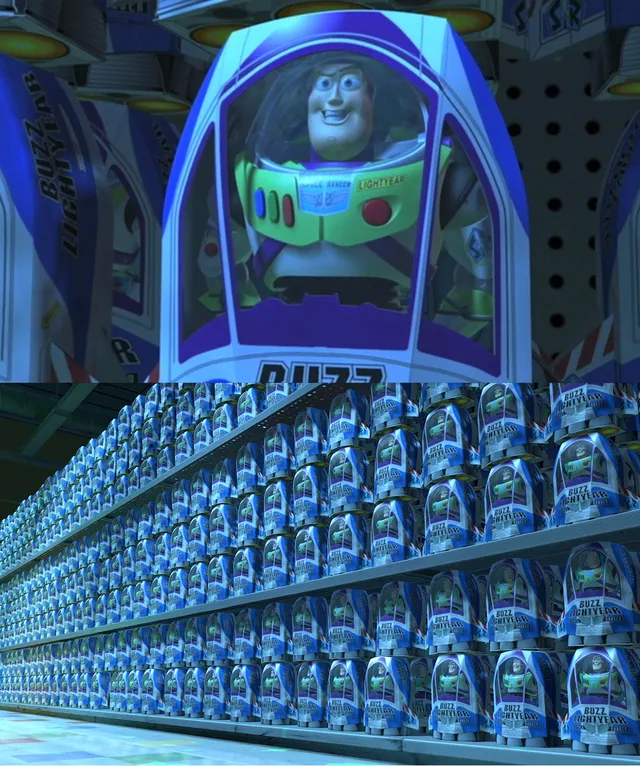
For the most part, you can no longer build a brand or a page the way people used to. Every post has to conform to the structures and techniques the algorithm responds to, and the people who learned those techniques fastest were rarely the people with anything to say.
Trial reels make the arrangement explicit. Instagram launched them in December 2024: a reel goes to people who don’t follow you first, and if it performs, it gets released to the people who do. In practice, you post 10 variations of the same thing and wait to see which one the machine picks, if it picks one at all. The rest get 100 to 300 views. It’s all the same content.
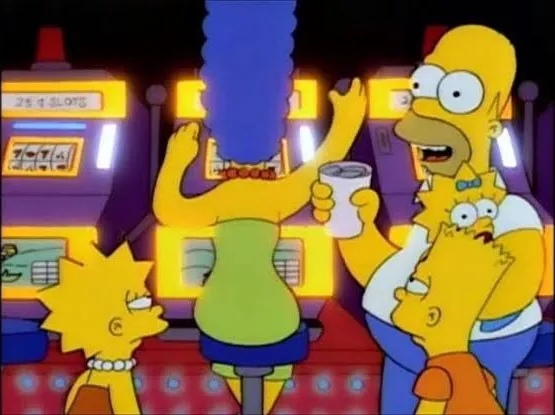
In the 1950s, B.F. Skinner found that pigeons pecked hardest, and kept pecking longest, when food arrived after an unpredictable number of pecks. Slot machines are built on the same schedule. Social media runs it on both sides of the screen at once: the viewer keeps scrolling because the next video might be the good one, and the creator keeps posting variations because the next one might be the one that lands.
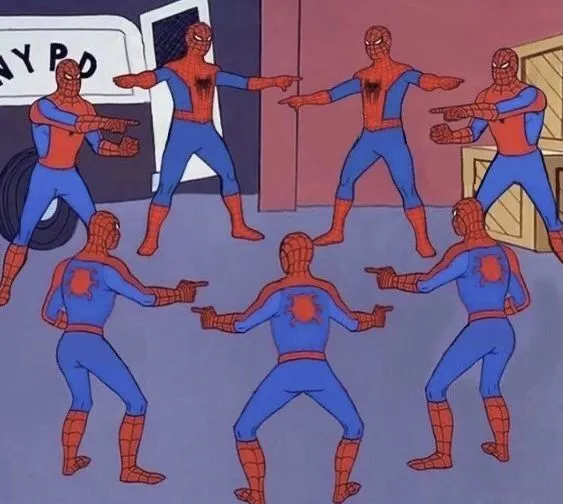
Remember the 2014 to 2017 era, when people posted random photos and used the same few quotes in their captions? Looking back, it was a rehearsal for performative influencership, which is the same thing said to a camera, for money - or more commonly nowadays, for attention.
In 1967, forty years before the iPhone, the French philosopher Guy Debord wrote: “Everything that was directly lived has receded into a representation.” He was talking about television and advertising. He would have had a stroke watching someone film themselves crying, check the lighting, and cry again for take two.
It’s no longer people who decide what they see, it’s a curation algorithm designed to keep them hooked, scrolling for the next hit of dopamine.
IV. The Humiliation Ritual
I’m a business founder, so I should be honest about my own position. I want distribution. I want what I built to reach the people it was built for. Getting it there has become a humiliation ritual, and I resent every step of it.

Those who can produce slop for the masses get boosted, and everyone else fades into demoralizing irrelevance. At worst, they give up. At best, they become derivative of their own selves. At absolute worst, they become sloppified imitations of their former, authentic selves, because they had no other choice if they wanted to survive.
Even dictionaries have started keeping score. Oxford’s word of the year for 2024 was “brain rot”. In 2025, Merriam-Webster chose “slop”, which it defines as low-quality digital content produced at scale, usually by AI, and Oxford chose “rage bait”, content deliberately designed to make you angry. That’s three words of the year in two years, and every one of them describes what we do with our phones.
The people running the platforms know all of this. Mosseri has been pushing the same idea since 2024, when he wrote on Threads that “smaller creators historically haven’t gotten their fair share of reach on Instagram, and we want to change that,” and his replies filled with established creators reporting that their reach had collapsed. In a 2026 post he went further: he admitted the change is contentious, and defended it as a necessary evil, because it gives new people the same chance as bigger pages.
This is utter bullshit to me, and here’s why.
A page with 100k followers can now get the same reach as a page with 200, because it doesn’t use the hooks the 2026 algorithm wants. Posts that used to reach 500k people without effort now reach a fraction of that. The creator did nothing wrong. The platform simply prefers new people who will make algorithm-friendly slop.
Someone can spend weeks editing a piece to perfection, pour their soul into it for the 100k people they spent years connecting with, and get 1k views and 100 likes because they didn’t use a viral hook and format. The same afternoon, a narcissistic homunculus posts “5 reasons you should cut off your family but they get progressively more niche” and passes 2 million views, while someone else in Mumbai uploads the same Andrew Tate edit for the hundredth time and reaches 5 million, because people watch it to feel successful by proxy while rotting in their parents’ basement with no intention of ever doing anything with their lives.
Giving new people a chance is a good thing. Doing it by taking reach away from the people who earned their audience, and handing it to whoever games the format best, is a strange idea of fairness.
I’m aware of how this sounds, as if I’m calling everyone who succeeds in this environment a hack. There are still many talented people making exceptional work, useful, original and entertaining, and some of them are thriving. But the shift is real regardless, and it’s irrefutable.
V. The Mirror
And the craziest part is that the platforms aren’t inherently evil. They didn’t do this on purpose.
There’s a comfortable theory that they did. The writer Cory Doctorow named it “enshittification”: platforms treat their users well until they’ve captured them, then squeeze them for advertisers, then squeeze everyone for themselves, until the whole thing rots. There’s truth in it, and it’s also convenient, because it puts all of the blame on someone else.
An algorithm has no taste and no opinions. It watches what people do and serves them more of it, so every second spent watching works like a vote, and the votes have been counted. We say we hate rage bait, and then we send it to a friend with “this is insane”. The sum of the content online is a reflection of what the majority of society wants to consume and resonates with. The platforms were shaped by the users.
In 1985, Neil Postman wrote Amusing Ourselves to Death, comparing the two great dystopias of the twentieth century. “What Orwell feared were those who would ban books. What Huxley feared was that there would be no reason to ban a book, for there would be no one who wanted to read one.” And: “Orwell feared that what we hate will ruin us. Huxley feared that what we love will ruin us.”
It’s obvious which one called it. Huxley won. Nobody had to ban anything. People just got desensitized and stopped caring, similar to how you can always see your nose in your field of vision, but your brain tunes it out.
In 1882, Nietzsche wrote about a madman who runs into a marketplace shouting that God is dead, “and we have killed him.” Social media is dead in the same way, and the people holding the knife are the ones still scrolling.
VI. The Verdict
If you want to see where all of this ends, look at Lindsay Clancy.
In January 2023, in Duxbury, Massachusetts, Clancy killed her three children. Cora was five, Dawson was three, and Callan was eight months old. She doesn’t deny it. Her lawyers argued postpartum psychosis, and in September her first trial ended in a mistrial when one juror held out against the other eleven. As I write this, she’s waiting to be tried again.
What happened around her is the point. Women in pink rallied outside the courthouse, TikTok filled with mothers filming themselves holding their own toddlers under the caption “Same, Lindsay”, and fundraisers in her name raised well over a million dollars. And I came across a reel of a woman defending her, who said, and I’m quoting: “let’s stop seeing them as children for a moment, and think of them as vases.”
Vases. Three dead children, and that’s the argument.
There is no framing of this I’m willing to entertain. A woman killed three children who trusted her more than anyone alive, and thousands of grown adults looked at that and decided she was the victim. Anyone who can look at those three children and see themselves in the person who killed them has told you exactly who they are, and you should believe them.
These people get a platform. The algorithm can’t tell sympathy from outrage, and it doesn’t need to, because both keep people watching, so both get pushed to anyone who can be made to feel something for three seconds.
VII. What’s Left
A world that rewards all of this has stopped honoring the things that deserve it. The patience it takes to make something good now counts for less than a hook, and the deaths of three children became content, rewarded by the feed like anything else that keeps people watching. Every time someone chose the slop over the work, they helped it along.
Society is doomed. I don’t expect this post to change that. Close the app, lift something heavy, and make the thing you were going to make anyway. The people worth reaching will find it.
I’ve said it now, somewhere it can’t be buried under someone else’s better hook.
So there’s that.
If anything you read here resonates with you, know that you’re not alone, and you’re not insane. You’re just accurately observing reality.
If you made it this far, you’re one of the people worth reaching. I’d like to keep reaching you without asking an algorithm for permission, so ENLIST below and new posts will come straight to your inbox.
Thanks for reading and keep mogging.
Reject your Humanity
If you want to support my noble mission, consider getting my merch or making a donation.

0 comments